AI Agent Identity & Access
SAML and OIDC for AI Tool Authentication in the Enterprise
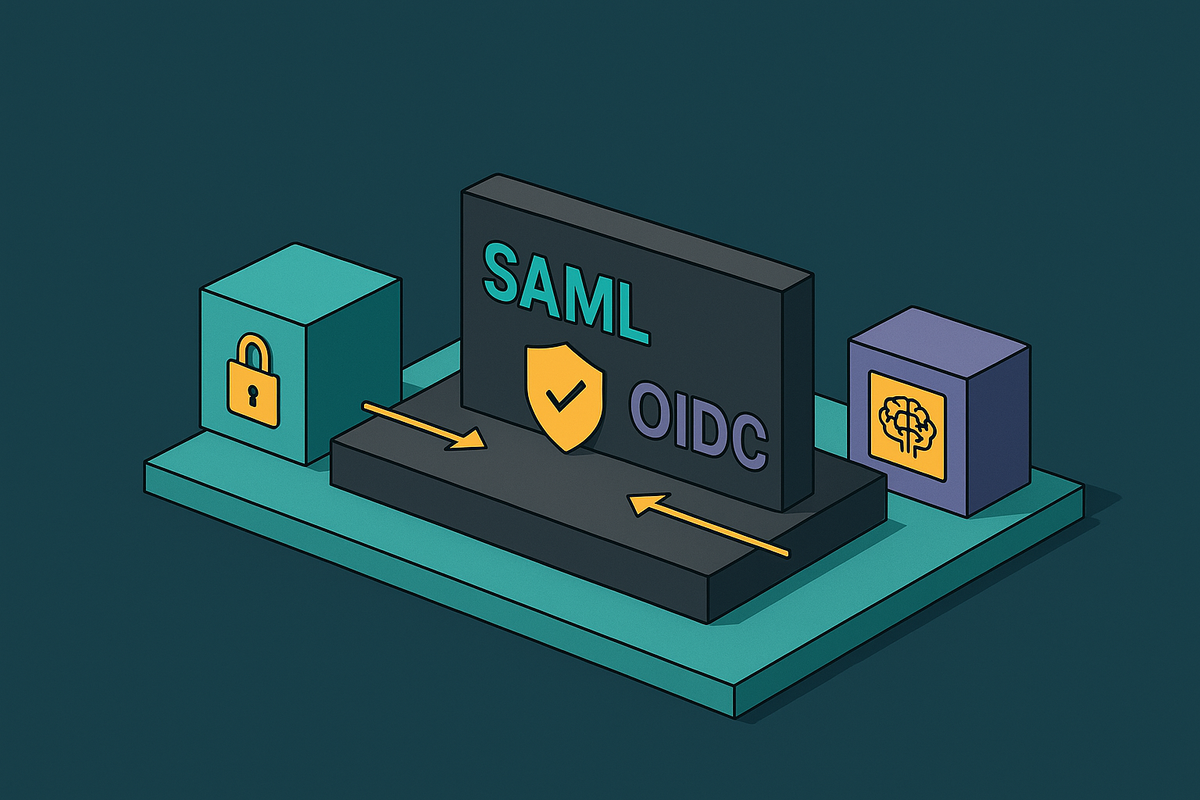
SAML and OIDC solve different AI tool authentication problems, but neither handles AI agents.
Nadia Wexler
Contributing Editor · · 11 min read
SAML and OIDC solve different AI tool authentication problems, but neither handles AI agents.
Traditional RBAC assumes human sessions that agents simply don't create.
SPIFFE proves what an agent is; OAuth delegates what a user authorizes it to do.
AI agents demand continuous runtime governance where humans need quarterly reviews.
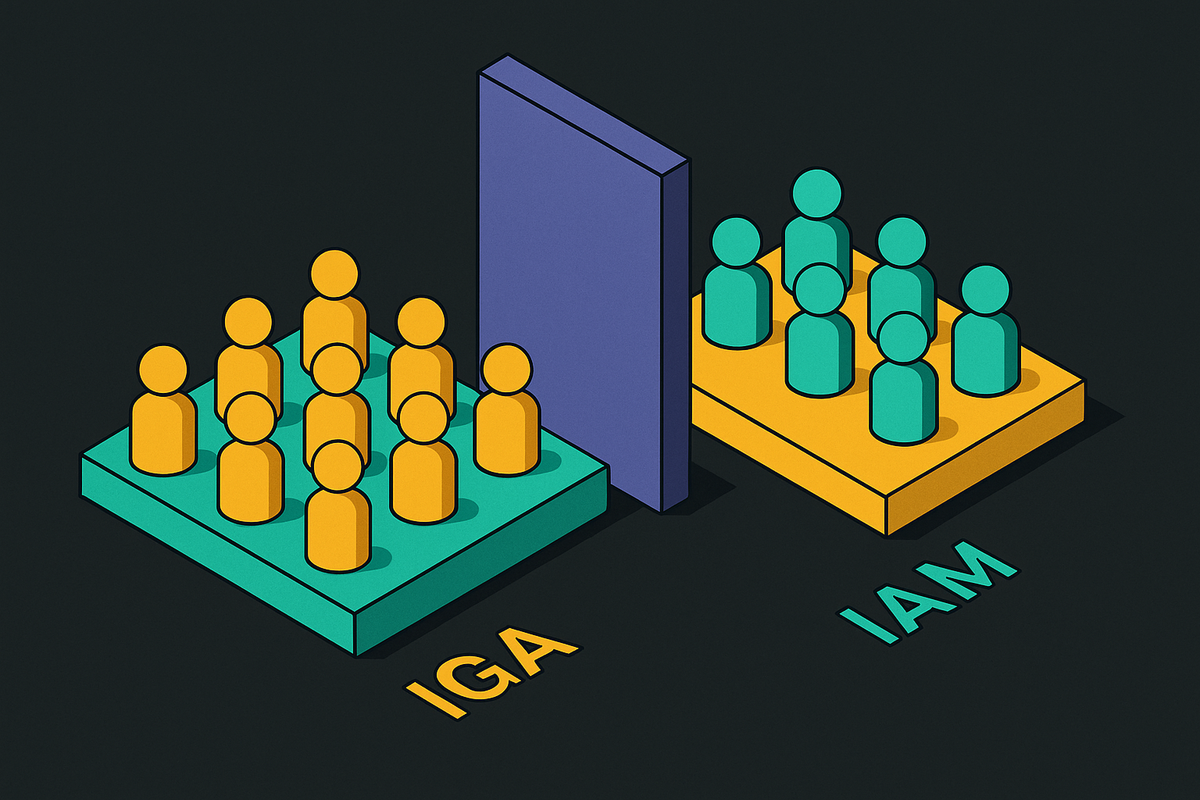
Service account governance breaks when IGA assumptions meet modern architectures.
Governance requires architecture, accountability, and enforcement operating together at every stage.
Most AI agents run with ten times the access they actually need, leaving organizations exposed.
Okta and Entra ID extend identity governance to AI agents calling tools through MCP servers.
Enterprises are flying blind to shadow AI usage despite detection tools existing at every layer.
Indirect injection from retrieval and tool outputs now dominates production AI agent attacks.