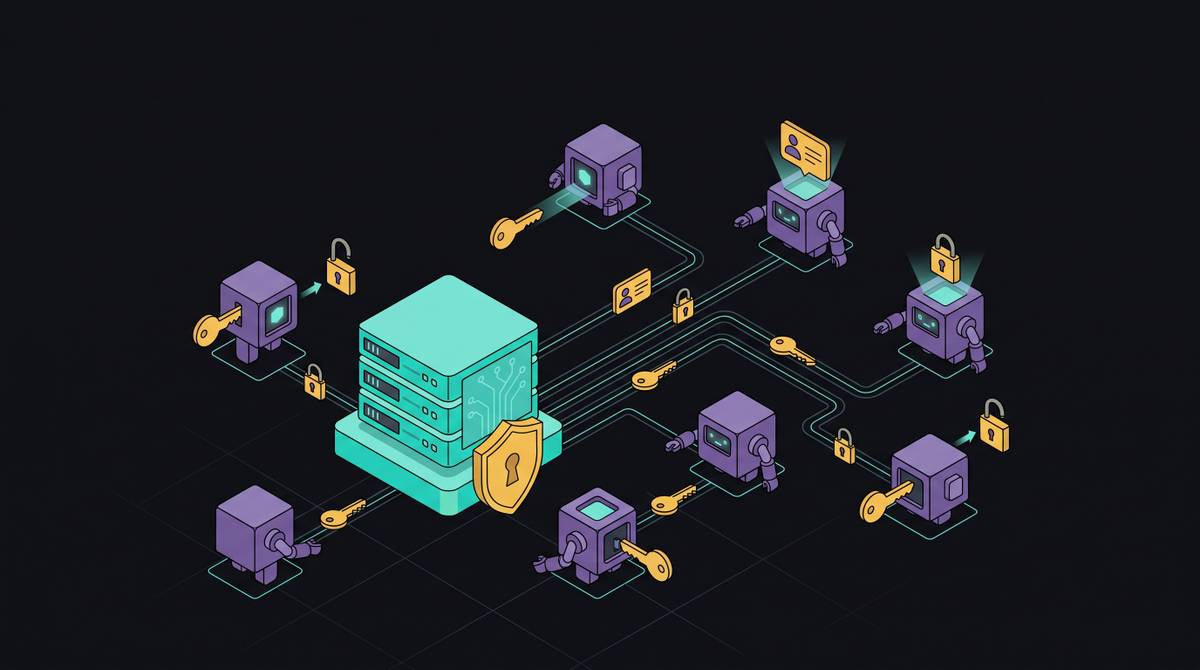
platforms for managing machine identity and access credentials in agentic AI workflows
Legacy IAM can't handle the speed and scale of agentic AI deployments.
Cyrus Yamada
Section
13 stories in AI Agent Identity & Access.
Legacy IAM can't handle the speed and scale of agentic AI deployments.
Enterprises need four governance layers, not one tool, to secure AI agents accessing APIs.
Most enterprises run AI agents without centralized controls to manage who accesses what.
Four structural problems block enterprises from safely governing AI agent permissions at scale.
Workload identity tokens and least-privilege scoping close the governance gap agents create.
AI agents outpace security controls built for human employees.
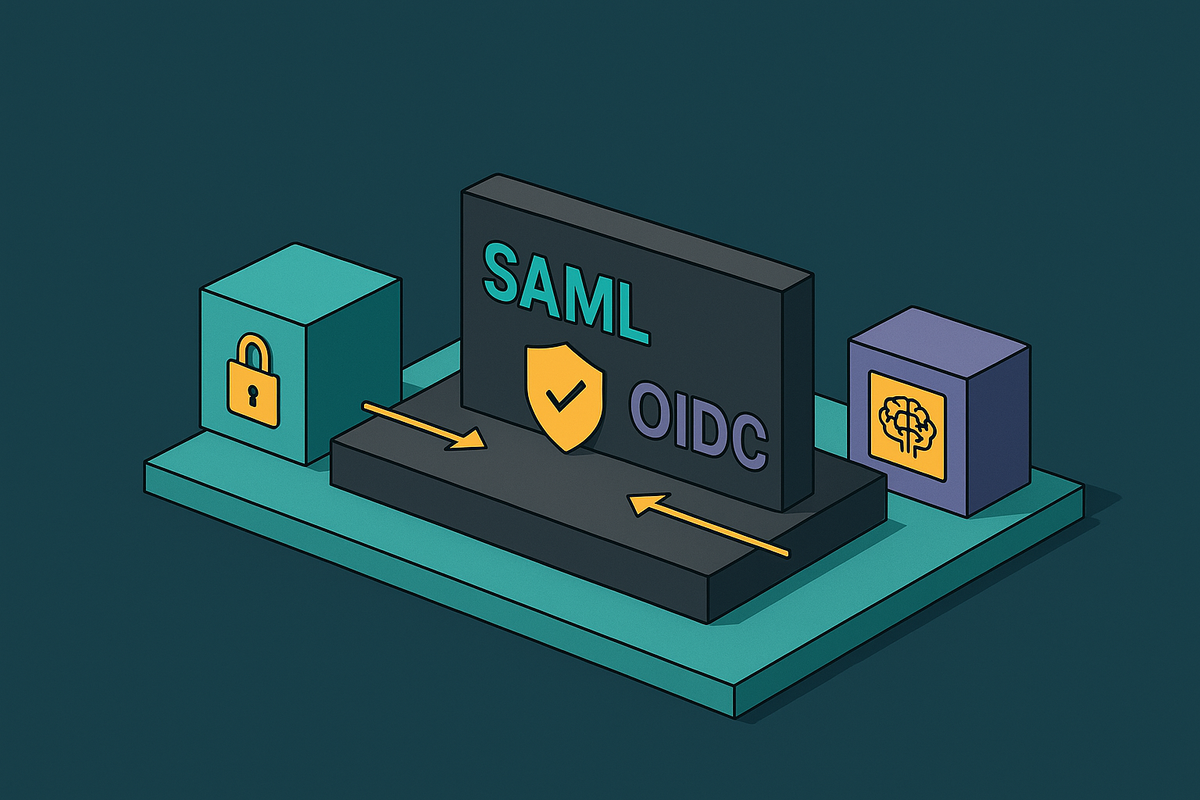
SAML and OIDC solve different AI tool authentication problems, but neither handles AI agents.
Traditional RBAC assumes human sessions that agents simply don't create.
SPIFFE proves what an agent is; OAuth delegates what a user authorizes it to do.
AI agents demand continuous runtime governance where humans need quarterly reviews.
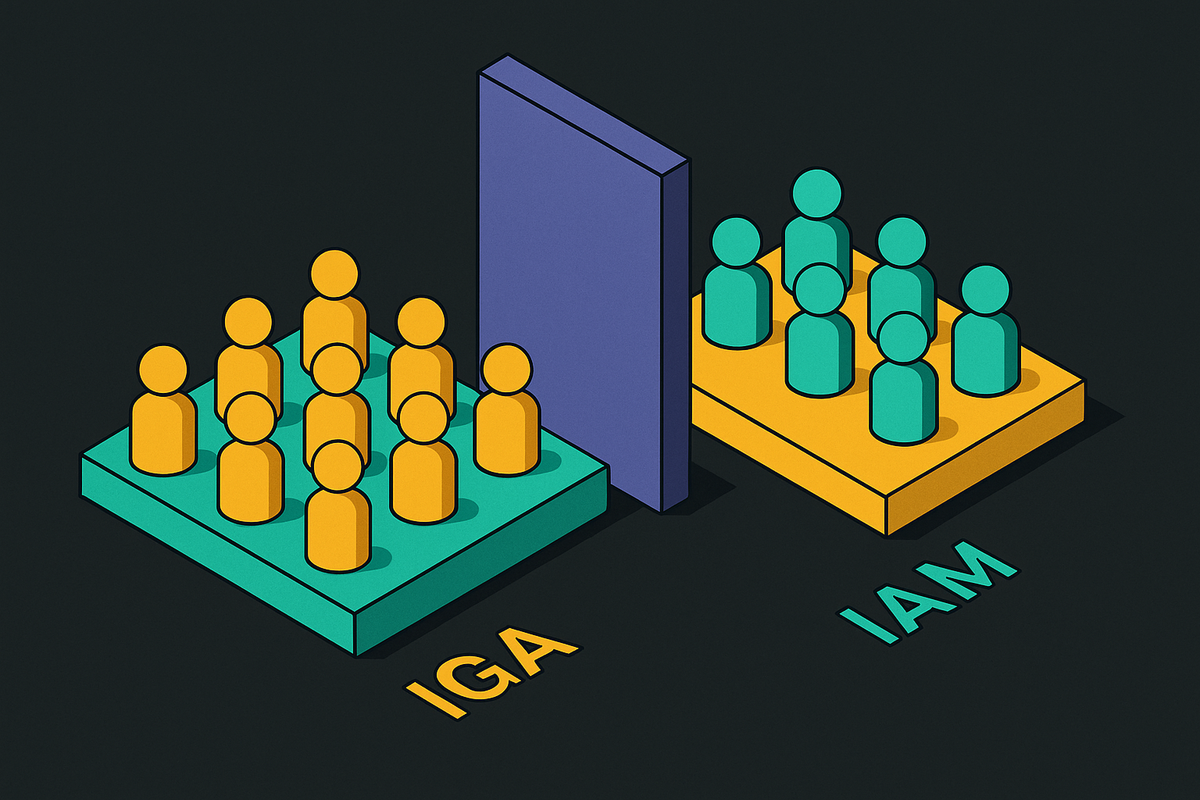
Service account governance breaks when IGA assumptions meet modern architectures.
Most AI agents run with ten times the access they actually need, leaving organizations exposed.
Okta and Entra ID extend identity governance to AI agents calling tools through MCP servers.