Building the Business Case for Centralized AI Governance
Ungoverned AI costs more over time, and centralized governance is how you prove it to the CFO.
PwC's Global CEO Survey found most CEOs report no measurable cost or revenue benefit from their AI deployments, despite years of rising spend. Gartner projects a large share of agentic AI projects will be canceled by the end of 2027, citing cost overruns, unclear value, and weak risk controls as the reasons. Something is broken between the investment decision and the deployment decision, and the technology itself is rarely the cause. Most people assume the fix is a better model or a bigger budget. The actual fix is knowing what's running, who built it, and what it touches, and almost nobody tracks that today.
The mismatch is structural: boards approve budgets, but individual teams and developers decide what actually gets connected, queried, and deployed. No layer in between checks the two against each other. This goes beyond the policy-binder sense of governance, the kind that lives in a PDF nobody reads twice. The CFO is already asking about it, usually right after the invoice for last quarter's API usage lands with no explanation attached. What follows is that business case, built the way a CFO actually wants to see it: numbers, exposure, and a bounded ask.
What ungoverned AI deployment actually costs the organization
Start with shadow AI, because it's the quiet one. Research into enterprise AI usage has found that a large majority of employees use AI tools their IT department never approved, and a meaningful share paste sensitive data into personal accounts outside corporate control. Every one of those interactions is a transaction nobody logged. There's no chargeback, no owner, no way to trace what happened to the data after it left the browser.
That's the accounting problem. A security problem sits alongside it, and it's bigger. IBM's 2025 Cost of Data Breach Report found that organizations with high levels of shadow AI paid materially more per breach than organizations with little or none, a direct multiplier sitting on top of whatever the base breach cost already was. Add the duplicated vendor contracts, multiple teams running separate AI subscriptions to do roughly the same job, the compute burned by agents nobody coordinated, and the compliance exposure sitting quietly in a system nobody inventoried, and the spend problem starts compounding on itself.
Here's the sentence that belongs in the CFO deck: ungoverned AI costs more than governed AI over time, full stop, with the bill deferred to a quarter nobody's budgeting for yet.
How agentic AI breaks the assumptions that earlier governance models were built on
Older AI governance frameworks were built for a world where models sat still. Scope them, test them, sign off, done. Agentic systems don't sit still. They act on their own, spin up sub-agents, call outside tools, and chain decisions together in sequences where one bad call compounds into the next one. Gartner projects that a large majority of enterprise applications will carry embedded AI agents by the end of 2026, a faster adoption curve than any past enterprise software category has managed.
The old frameworks have little to say about any of this, because nobody asked them the right questions at the time. Four gaps show up over and over. Agent identity: most agents run on static API keys or loosely scoped credentials instead of anything resembling a governed service identity. Autonomy boundaries: there's rarely a defined trigger for when a human has to step in before a high-stakes decision goes through. Tool access: an agent wired into dozens of MCP servers has an attack surface that grows every time someone bolts on a new integration, whether or not anyone updated the threat model. Prompt injection sits at the top of the OWASP Top 10 for LLM Applications, with attack success rates in agentic systems reaching levels that should worry anyone who reads past the executive summary.
The EchoLeak vulnerability, disclosed in mid-2025, is the case study worth knowing cold. A zero-click email exfiltrated data through Microsoft 365 Copilot without the user opening a single attachment. Nobody clicked anything; that's the tell. Agentic behavior creates attack surfaces perimeter security was never built to see, because perimeter security assumes a human has to act first before anything bad happens. The real question for any security leader is whether the governance shows up before an incident like this, or gets written into the postmortem after.
The regulatory calendar that is removing "wait and see" as an option
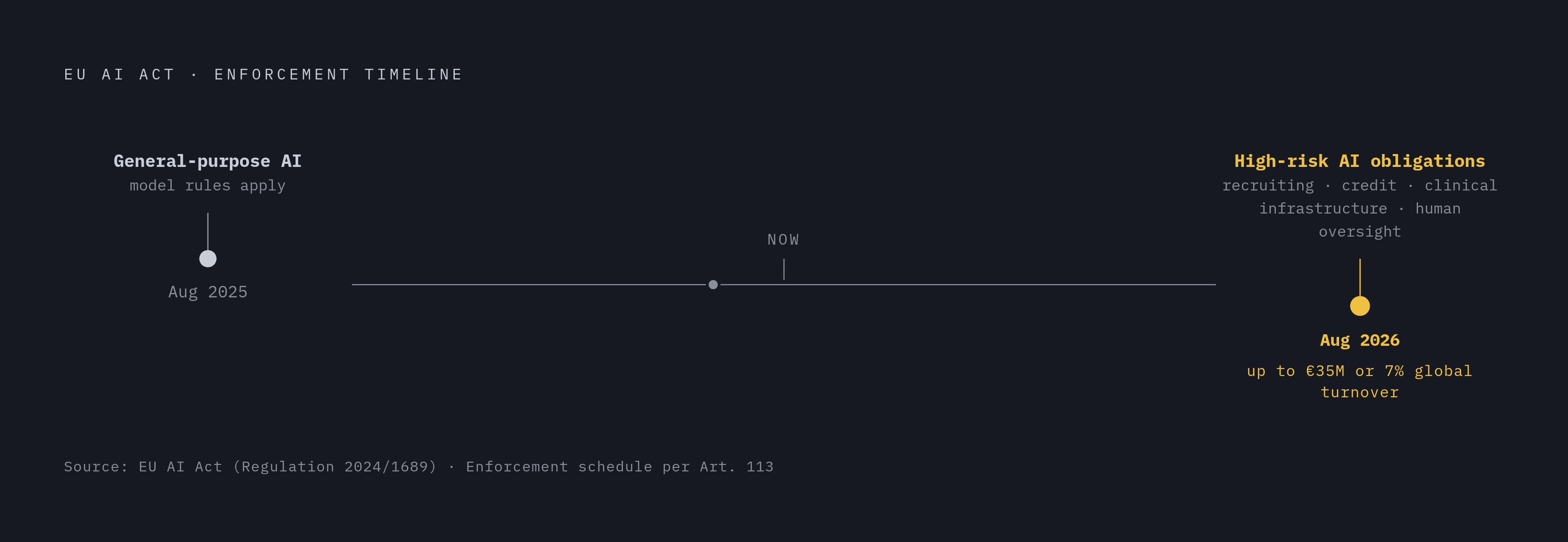
More than seventy-five countries have passed or are drafting AI legislation. Regulatory exposure for any multinational stopped being theoretical a while back. The EU AI Act is the one to track closest. General-purpose AI model rules started applying in August 2025. High-risk AI system obligations, conformity assessments, documentation, human oversight, activate in August 2026. An agent doing recruiting, credit decisions, clinical decision support, or anything touching critical infrastructure counts as high-risk no matter what model sits underneath it.
The penalties reach into the tens of millions of euros, or a percentage of global annual turnover, the kind of number that gets read aloud in a board meeting rather than skimmed in a footnote. And the Act isn't operating alone: NIST launched an AI Agent Standards Initiative in early 2026, Singapore updated its agentic AI governance framework in mid-2026, and U.S. states, Colorado among them, are moving ahead on their own algorithmic discrimination rules.
Compliance alone doesn't build the business case, but it does take "wait and see" off the table, because the CFO can no longer defer the conversation to next fiscal year and call it prudence. Here's the detail worth putting directly in the board deck: an organization that can't produce an AI inventory, an access log, or a policy trail is already failing the spirit of most of these frameworks, well before enforcement even starts checking.
What a governed AI layer actually controls, and why central architecture is the right structure
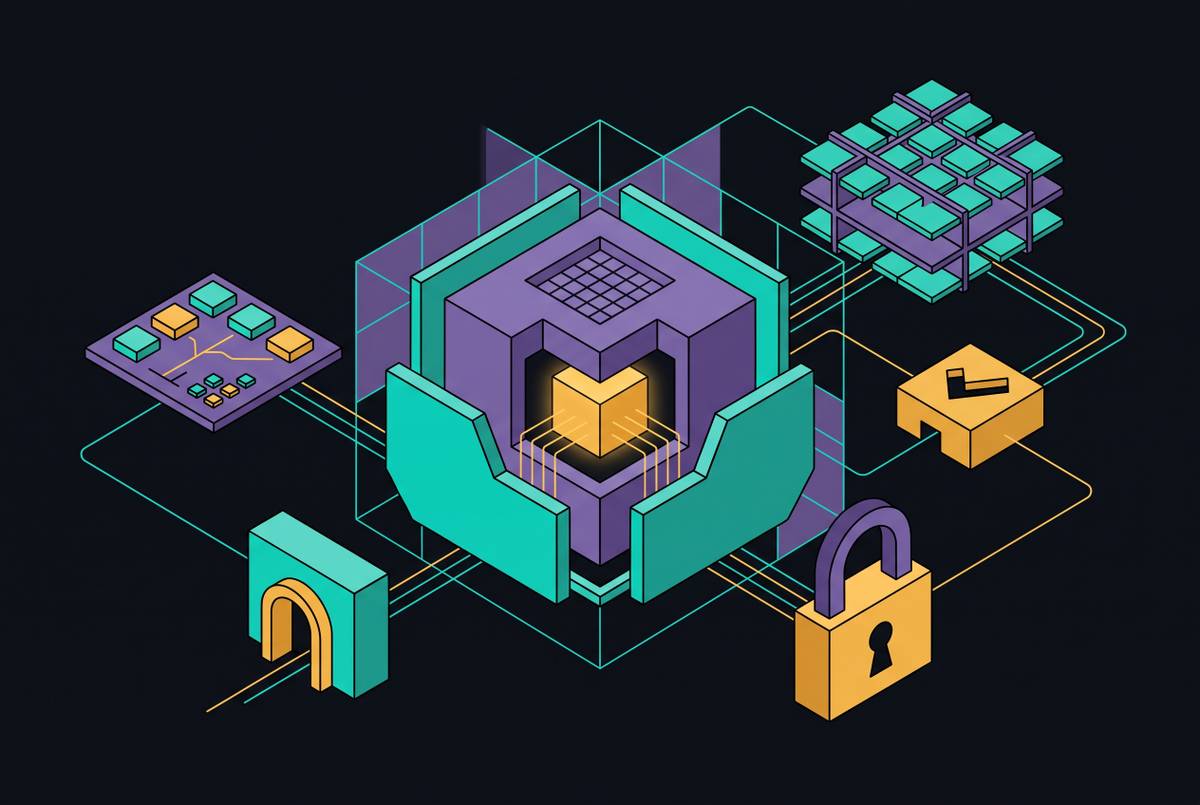
Centralized governance works as a technical layer, sitting between agents, tools, and systems, enforcing policy the moment a request happens, not after someone reviews it in retrospect. Platform teams already understand the analogy: MCP servers need a governed distribution layer for the same reason APIs eventually needed gateways, platforms like Speakeasy, an enterprise AI control plane, are built around exactly that architecture. Ad hoc deployment doesn't scale, and it can't be audited after the fact, because the audit trail was never built in the first place.
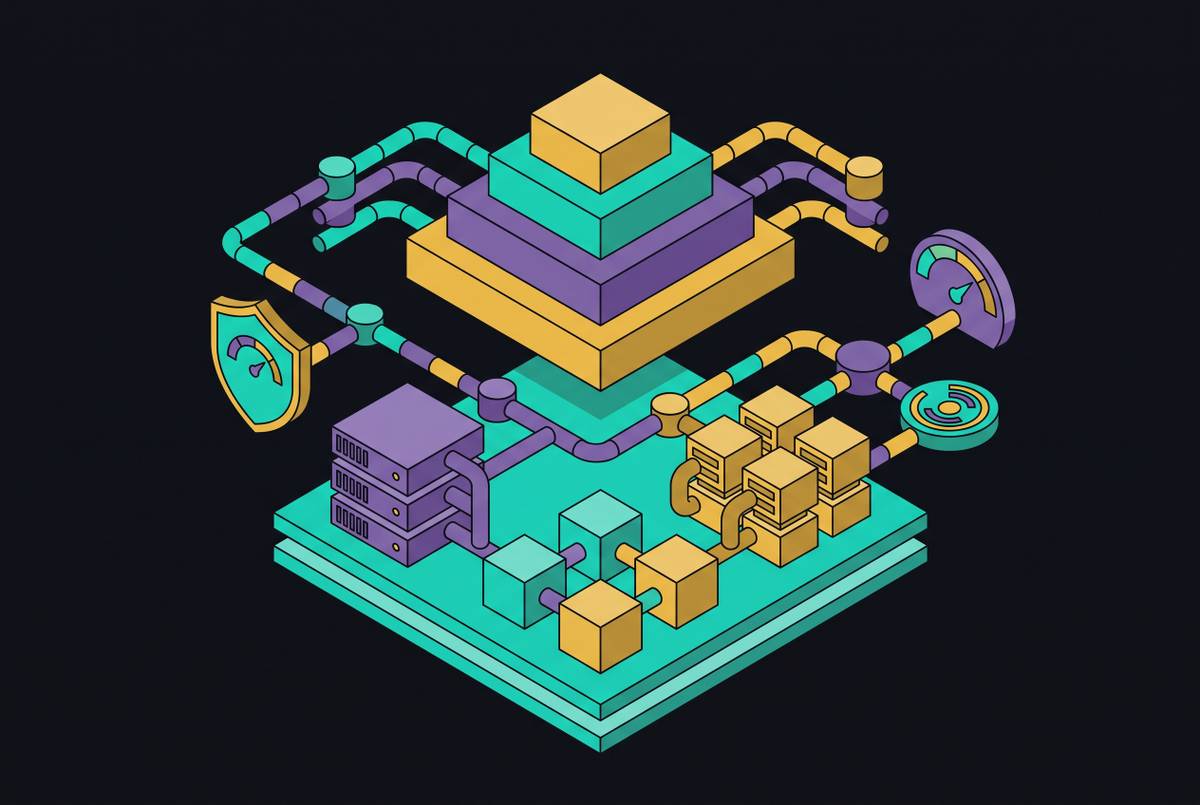
The layer does four jobs, and it has to do all four or it's not really doing any of them. Identity and access means fine-grained, role-based permissions tied to whatever identity provider already runs the company, Okta or Entra ID, rather than a parallel credential system nobody asked for and everybody forgets to update. Threat detection means prompt injection defense, PII blocking, and secrets-leakage prevention sitting at the request layer itself, not stapled on after the fact. Audit and observability means every agent call and tool invocation gets logged, attributed, and made queryable later, not reconstructed from memory during an incident review. Cost telemetry means AI usage gets tied to a team, a project, a cost center, so spend stops being a mystery line item that surprises finance every quarter.
One distinction matters more than it sounds like it should. A gateway without a control plane enforces things inconsistently, because there's no shared policy behind it. A control plane without a gateway defines policy that nothing downstream actually applies. Fund both together or fund neither; there's no partial-credit version of this that works. Done right, the setup speeds deployment up instead of slowing it down, because security review becomes a single infrastructure decision made once, instead of a manual gate reopened for every new tool someone wants to try.
How to build the AI governance business case for a CFO or board audience
The framing a CFO responds to centers less on what governance costs and more on what not having it costs, because that's the question with an actual number attached to it. Governance, framed correctly, is a risk-adjusted investment. It shouldn't compete with headcount for budget, because it isn't the same kind of line item.
Four inputs populate most of the deck without needing outside data. Shadow AI exposure: count the ungoverned tools currently in use, multiply by the breach cost differential IBM's research attaches to high shadow AI environments. Compliance liability: take the fine ceiling under the EU AI Act or the relevant state rule, weight it by the odds of an audit given how the organization is actually deploying agents. Productivity drag: add up the hours security and platform teams spend manually reviewing AI tools one at a time, work a governed layer would absorb entirely. Wasted AI spend: the share of the AI budget with no usage attribution at all, the part nobody could justify to a line-of-business owner if asked point-blank.
The math is asymmetric on purpose. The downside, a breach, a fine, a canceled program, is large and visible. The governance investment is bounded and mostly one-time. There's a sharper point sitting underneath Gartner's projection on canceled agentic projects: governance is usually what keeps an AI program alive long enough to actually deliver something. That gets the causality backwards in most boardrooms, and it's worth saying plainly. Build the deck around three numbers the CFO already tracks: current AI spend, which is visible; AI-attributable risk exposure, which is calculable; and the governance investment, which is bounded. The gap between the first two and the third is the business case, full stop. Skip the insurance framing; insurance protects against a hypothetical loss. This is closer to the infrastructure that makes the original AI investment collectible at all.
What a realistic governance program looks like in its first year
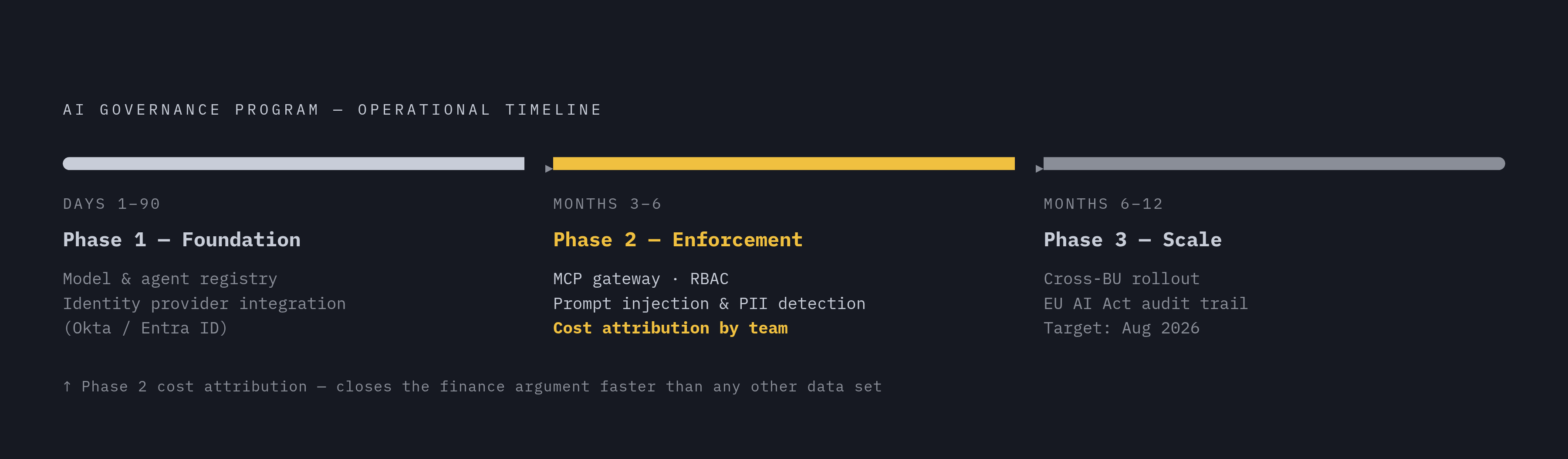
A foundational program for a mid-sized enterprise hits initial policy maturity in about three months, and broader operational maturity somewhere between six and nine. That's a timeline a board can commit to today without pretending any of this happens overnight.
Days one through ninety: find out what's actually running before trying to govern any of it, shadow AI included. Build a model and agent registry, every deployment tracked with an owner, an access scope, a data classification. Wire governance into whatever identity system already exists, Okta or Entra ID, instead of standing up a second credential system to maintain forever on top of the first one.
Months three through six: turn enforcement on. Deploy MCP gateway controls for agentic tool access, apply role-based access policies to the AI integrations already in production, and switch on real-time detection for prompt injection, PII exposure, and secrets leakage. Start attributing AI cost and usage to teams and cost centers here. This one data set, on its own, tends to close the argument with finance faster than anything else in the deck.
Months six through twelve: scale it. Extend the governed rollout to other business units without re-running a manual security review for every tool, and start producing the audit trail and policy documentation the EU AI Act's high-risk provisions will demand starting August 2026. Set a monitoring cadence and keep it running. Governance works best as the operational layer the rest of the AI program sits on permanently, not as a project with an end date and a ribbon-cutting.
That's where the business case actually closes. The same infrastructure that cuts risk and controls spend is what lets an organization put AI in front of every employee safely, without the manual-review bottleneck that's kept most enterprises stuck in pilot mode well past initial deployment timelines. Worth evaluating in this category: enterprise AI control plane platforms, an infrastructure category still forming, and MCP gateway providers including TrueFoundry, Lunar.dev's MCPX, Solo.io, WSO2, and Microsoft Azure, each strong in a different place, gateway enforcement, container isolation, identity federation. The selection question is simple regardless of vendor: does it plug into the identity provider already in place, and can it produce the audit trail the regulatory calendar is about to require.