Taxonomy of Prompt Injection Attack Vectors
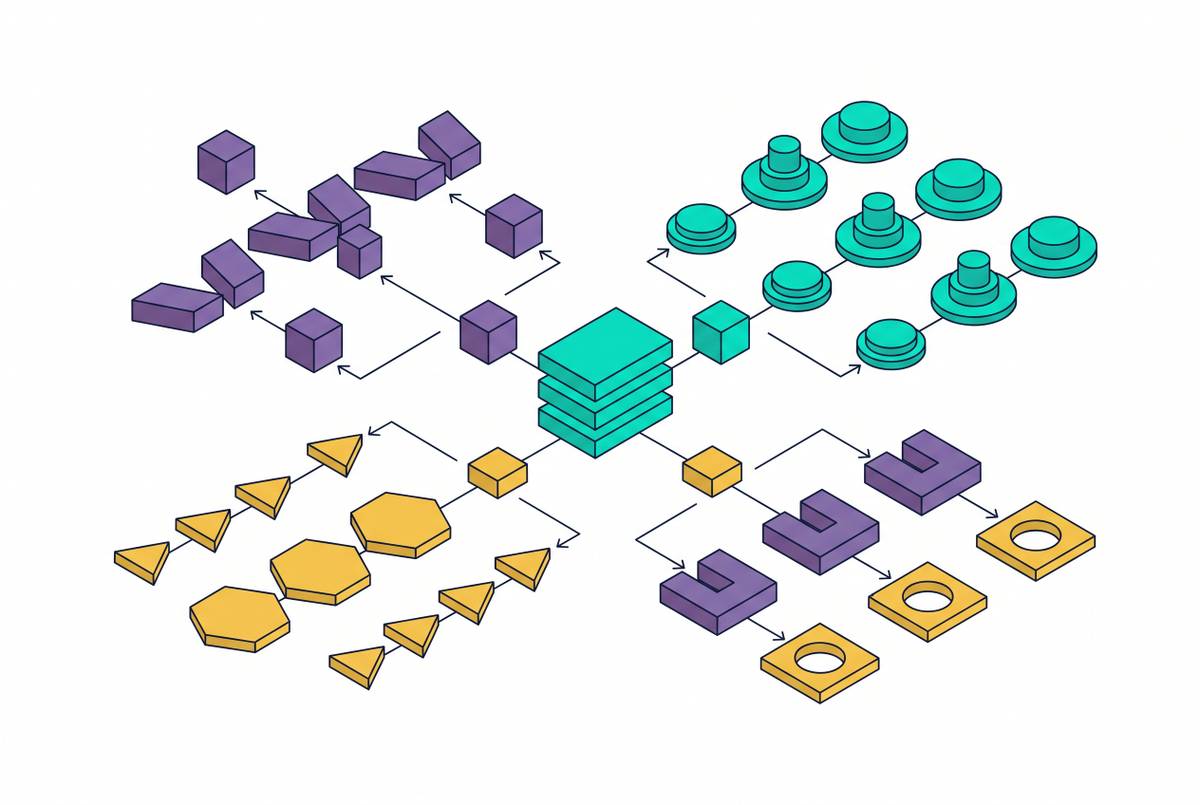
Researchers map 47 distinct prompt injection techniques across three dimensions of LLM attacks.
Priya Nandakumar
Senior Staff Writer
Priya spent eight years as a security architect at a mid-sized financial services firm before pivoting to technical journalism in 2017, where she has focused on identity infrastructure, access control standards, and the policy frameworks enterprises use to govern AI systems at scale.
16 stories
Researchers map 47 distinct prompt injection techniques across three dimensions of LLM attacks.
Tracing every tool call and decision reveals why agents fail, not just that they do.
Enterprises need layered AI policies, not one document, to prevent shadow AI breaches.
Ungoverned AI costs more over time, and centralized governance is how you prove it to the CFO.
Frameworks define AI risks but leave enforcement to the builder.
Date-based versioning and runtime negotiation let modern and legacy MCP coexist—until they don't.
Clearing up who's responsible when an AI agent goes rogue.
Enterprises need purpose-built platforms to manage agent credentials safely.
Enterprises need four governance layers, not one tool, to secure AI agents accessing APIs.
Enterprises must enforce tool permissions at the server level, not rely on the protocol.
Enterprise AI policies fail because enforcement hasn't followed tools into CRMs, code, and APIs.
Workload identity tokens and least-privilege scoping close the governance gap agents create.
Static grants let agent access creep until a breach or audit finally catches it.
SPIFFE proves what agents are; OAuth delegates what they can do.
AI agents demand continuous runtime governance where humans need quarterly reviews.
Governance requires architecture, accountability, and enforcement operating together at every stage.