Adversarial Prompt Testing for Enterprise AI Applications
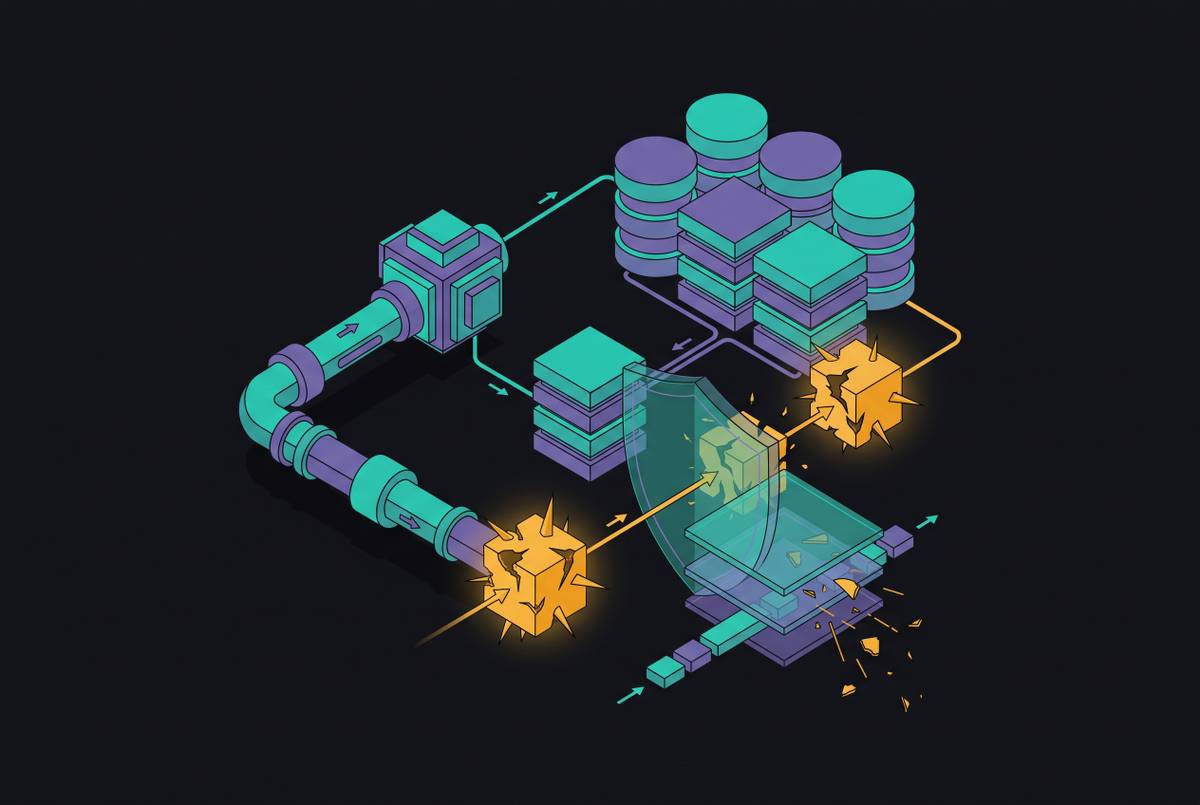
Language, not logic, is where enterprise AI fails under attack.
Simone Achebe
Contributing Editor
Simone researches adversarial machine learning and AI supply-chain risk, drawing on a background in applied cryptography and a stint advising a government cybersecurity task force; her work has appeared in several peer-reviewed security venues before she joined trade journalism full-time.
14 stories
Language, not logic, is where enterprise AI fails under attack.
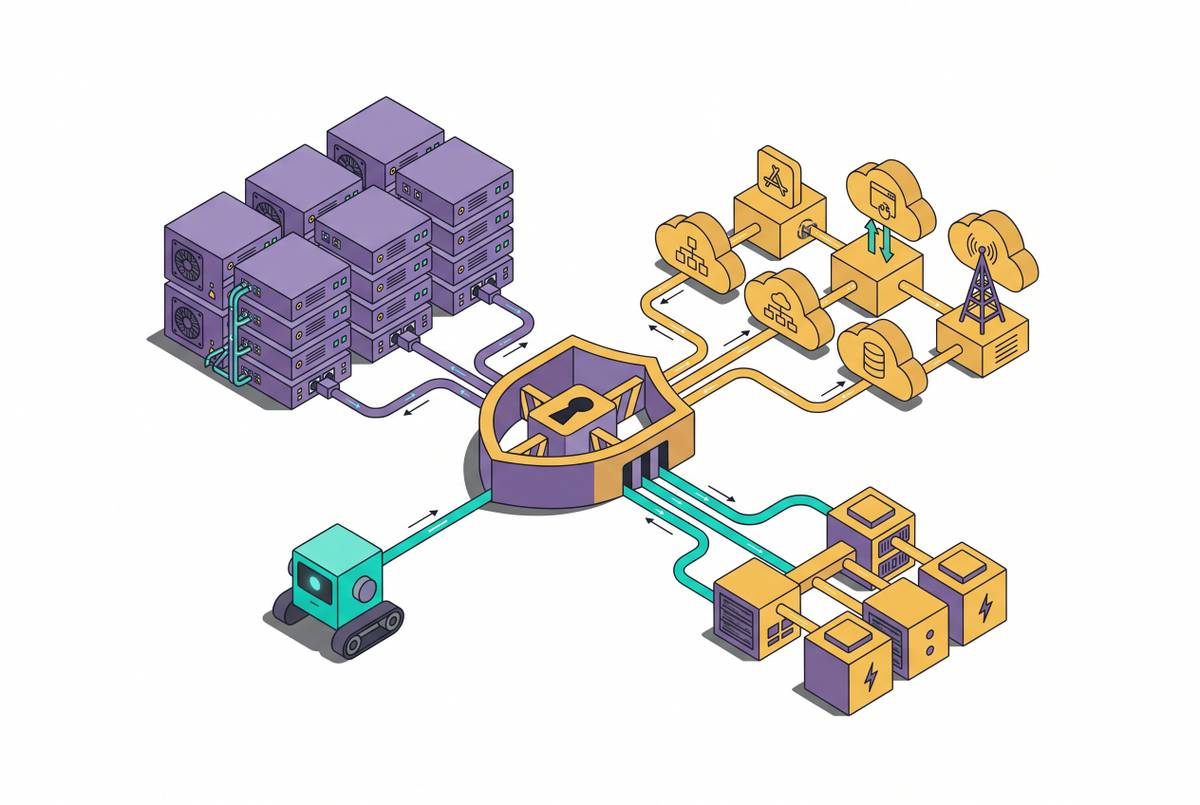
AI gateways need real-time detection to catch credential theft and prompt injection attacks.
AI agents need runtime permission checks that traditional API gateways cannot provide.
Traditional playbooks miss AI incidents because they leave no infrastructure fingerprints.
Persistent agent memory can be silently corrupted weeks before attacks trigger.
Enterprises securing AI deployments need runtime controls, not just governance frameworks.
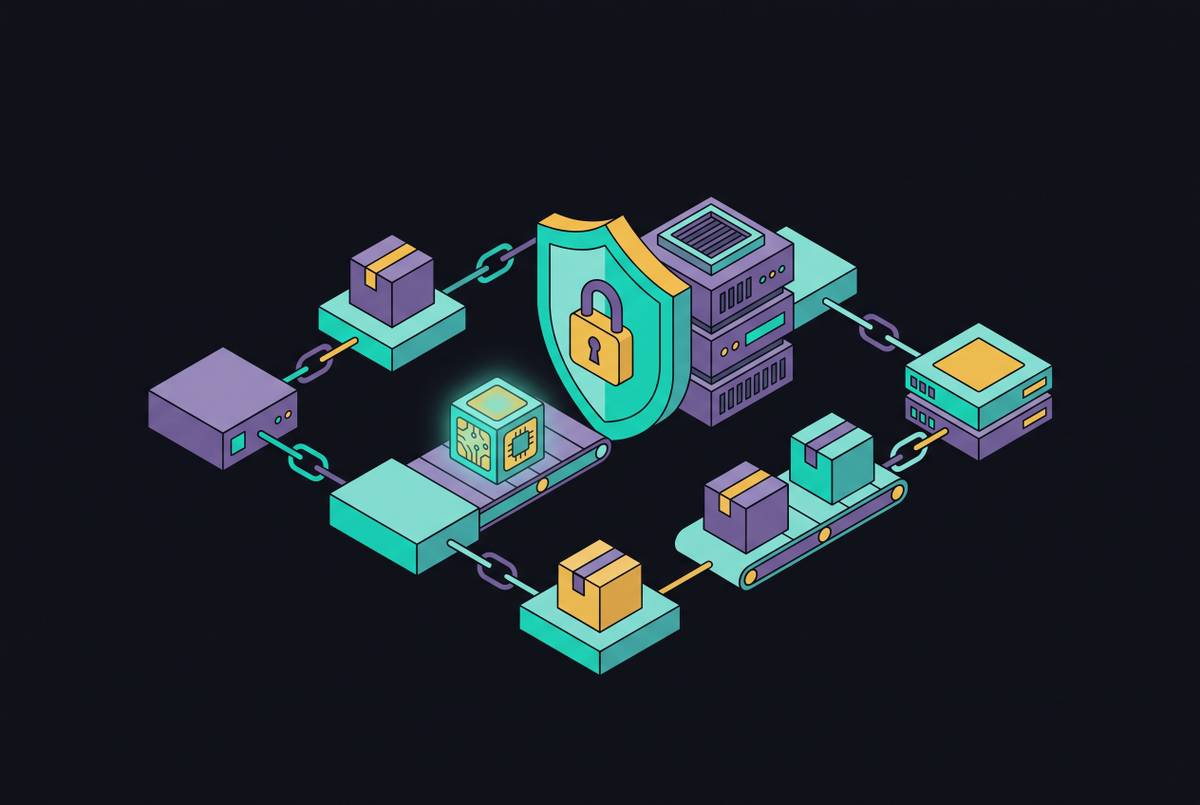
Rapid MCP adoption has outpaced security controls in production systems.
Most boards receive AI governance theater instead of the risk disclosure they actually need.
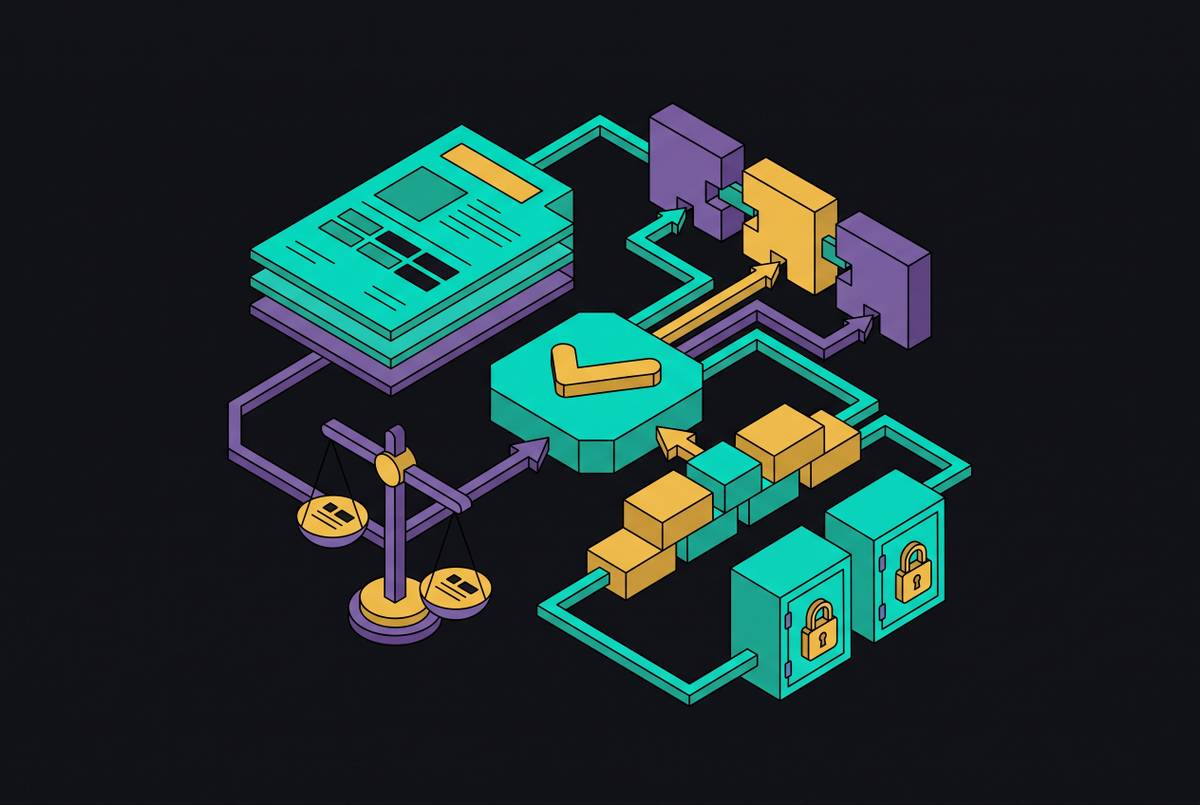
Ready-made governance documents turn compliance frameworks into actionable policy.
Governance matters more than capability—and most enterprises haven't built it yet.
Stateless architecture and vendor-neutral governance finally make MCP deployable at scale.
MCP servers now handle production data at scale, but most skip basic security controls.
Organizations have no visibility into unsanctioned AI servers now embedded in production systems.
Why standard API gateways fail to secure Model Context Protocol deployments.